
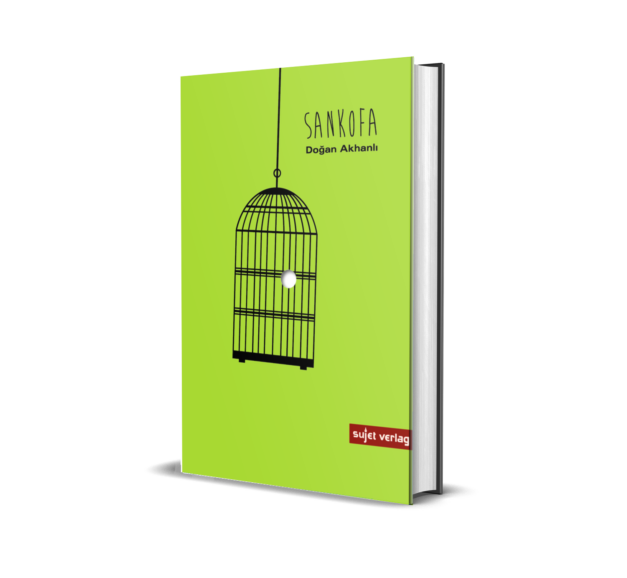
"Sankofa” – Review by Ayse Tekin
"[…] [A] highly complex book, but neither difficult nor strenuous,” says Ayse Tekin about Dogan Akhanli’s “Sankofa”. She notices the strong female characters and is particularly encouraged by the naturalness with which they are integrated into the story. “Sankofa” is a highly political book without making politics the main topic; instead, the diverse characters are at the center of the action. For the full review click here.
"“Someone understand the Germans” – review by Martin Gerner
"He looks stubbornly and processes his experiences in the host country with irony. It starts with an elementary question for an Afghan in Germany: Why are German toilets so foreign and toilet paper seemingly an imposition? The author’s journey of thought through German worlds begins on the toilet seat.” This is what Martin Gerner writes about Taqi Akhlaqi's novel, which, as the author says, is a book for Germans and not for Afghans. We are very pleased about his contribution to BR24, in which Akhlaqi himself has his say and can tell how he came from his strictly religious family in Afghanistan to Germany, where he questioned his own religion. According to Gerner, in his stories he holds up a mirror to the Germans with a wink. You can hear the whole post here.
The Last Days of East and West – Sankofa contribution by Gerrit Wustmann in ROCKS
We are very pleased about the article about Sankofa in ROCKS. It was written by Gerrit Wustmann. Life as a journey with an open end, man as a plaything between people and world history, Doğan Akhanlı has never before woven all of this into a multi-layered literary monument so impressively as in Sankofa.”
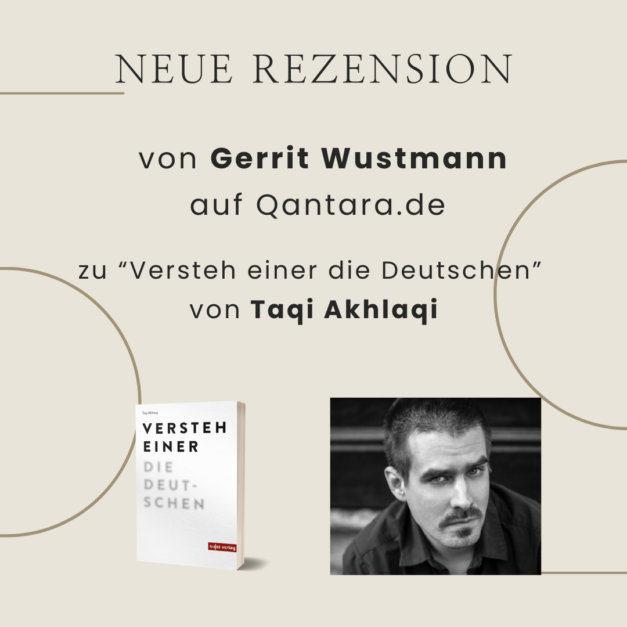
Review by Gerrit Wustmann of “Understand the Germans”
We are very pleased about Gerrit Wustmann’s review on Qantara.de of Taqi Akhlaqi’s “Understand the Germans”. There he describes very well the willingness of the Germans to welcome and support him when Taqi arrived, and which is unfortunately being lost little by little. That's exactly why books like Taqi's are so valuable, so that we never lose sight of other people. Taqi Akhlaqi didn't just spend the months in the middle of winter in a writing retreat. He traveled a lot, visited cities, gave readings and spoke to young people at schools. An enriching experience, on the one hand. On the other hand, he had to experience what almost every author who comes to Germany from a crisis region experiences: whether the audience, the moderation or the press, everyone asked him about the political and security situation in his home country.” You learn a lot about Afghanistan and even more about the outside view of everyday German life...
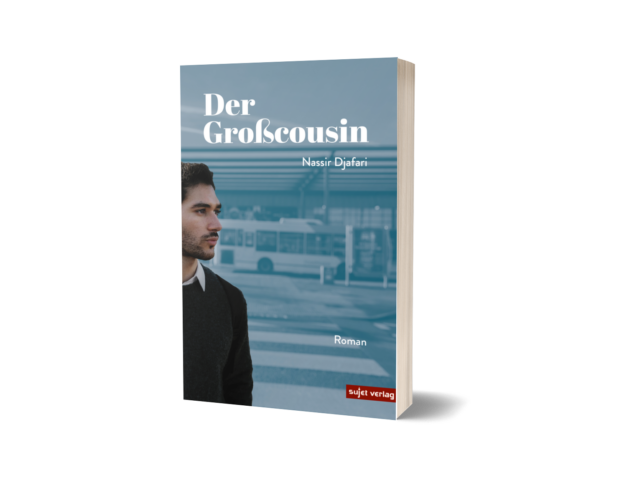
Kerstin Elferink: Review “The Great Cousin”
I read through this visually rather inconspicuous book in two days. An emotional family story against a current political and social backdrop, a great, sensitive narrative language, characters that couldn't be warmer. What more does a good novel need? Abbas lives with his wife Maria in Frankfurt. He is an extremely successful entrepreneur with international clients. His parents once came to Germany from Iran and raised their children according to German standards; Abbas speaks Persian more poorly than well. When his cousin from Iran asks him to look after his 30-year-old son, who will soon be coming to Germany, this initially gets lost in the general business hustle and bustle - until Reza shows up at the door just a few days later. Without a job, without knowledge of German and asking for support. While Abbas is now demanding results from the young man in “typical German fashion” in return for his (monetary) support – German course, job, dealing with the authorities –…
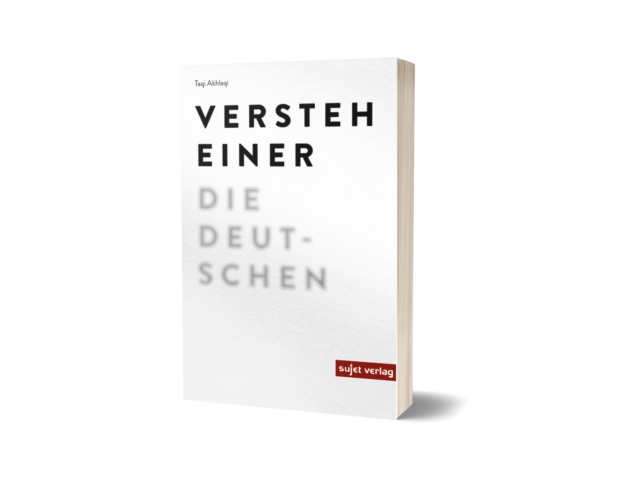
Kultur Port review of “Understand the Germans”
Marion Hinz published a new review in Kultur Port about Taqi Akhlaqi's current volume of short stories “Understand the Germans” Click here for the review Click here for the book Click here for more information about the author
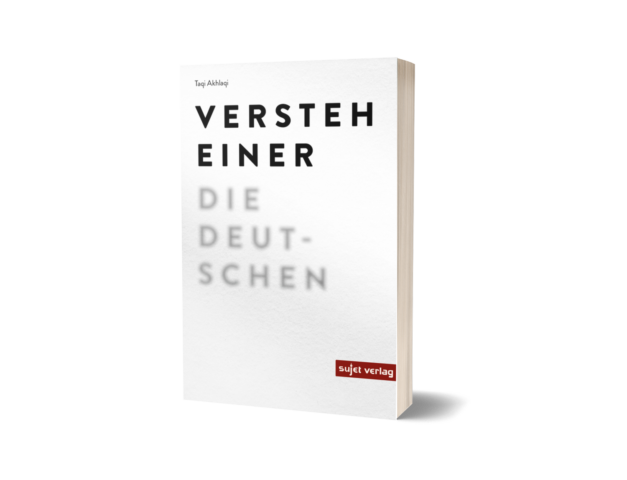
Review Leipziger Zeitung on “Someone understand the Germans”
Ralf Julke from the Leipziger Zeitung recently published a new review of Taqi Akhlaqi's current collection of short stories “Understand the Germans”. Akhlaqi's volume of stories deals with his thoughts, experiences and experiences that he acquired during his scholarship stay in Germany. Click here for the review Click here for the book You can find out more about the author here
Review of Nassir Djafari's “The Great Cousin”, written by Daniela Neuenfeld-Zvolsky
Review of Djafari, Nassir: The Big Cousin: Novel 1st Edition. – Bremen: Sujet Verlag, 2024. – 249 pages; 19 cm ISBN 978–3‑96202–136‑8 Paperback: EUR 19.80 The Frankfurt development aid entrepreneur Abbas's job takes him to many parts of the world. His life takes place in a wealthy middle-class environment, his German is perfect, but he speaks his native Persian much worse. The only connection to his origins is his increasingly demented father, whom he visits every week in the nursing home. Then an unknown cousin shows up at his house, who really messes up his life. The young man appears, then disappears again without a trace, telling a new story each time. Abbas wants to keep the unwelcome visitor away from his well-ordered life, but becomes increasingly entangled in his fate. Saving him, despite all the contradictions, becomes his obsession, to which he subordinates everything else. Abbas is gradually becoming aware of the unbearable situation that is forcing young Iranians to leave their homeland...
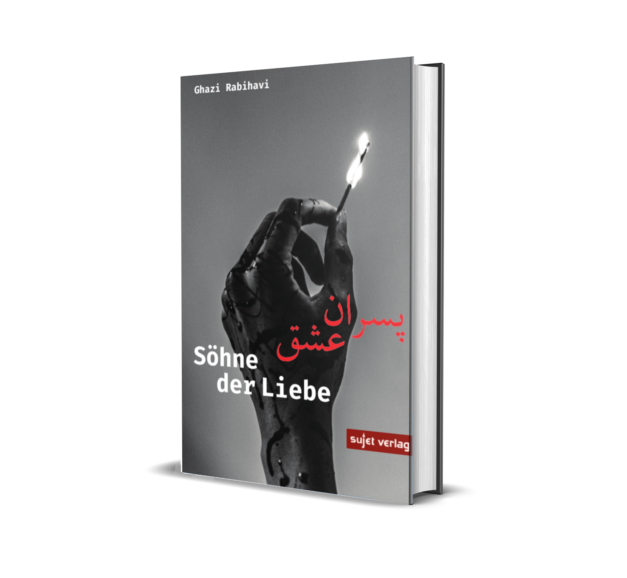
Review: Sons of Love
Review of the Sonntagsblatt: Jérôme Cholet from the online magazine Sonntagsblatt has written a wonderful review of Ghazi Rabihavi's “Sons of Love”! With "Sons of Love" Ghazi Rabihavi draws a comprehensive panorama of Iran in the years shortly before and immediately after the revolution of 1979. The author sheds light on a turning point in the country's history that we in the West are often unfamiliar with and yet makes today's situation more understandable. His novel is sophisticated, current and well worth reading. An absolute insider tip that shouldn't remain secret! You can read the full review here: Ghazi Rabihavi tells about love during the time of the Iranian revolution And order the book here: Sons of Love
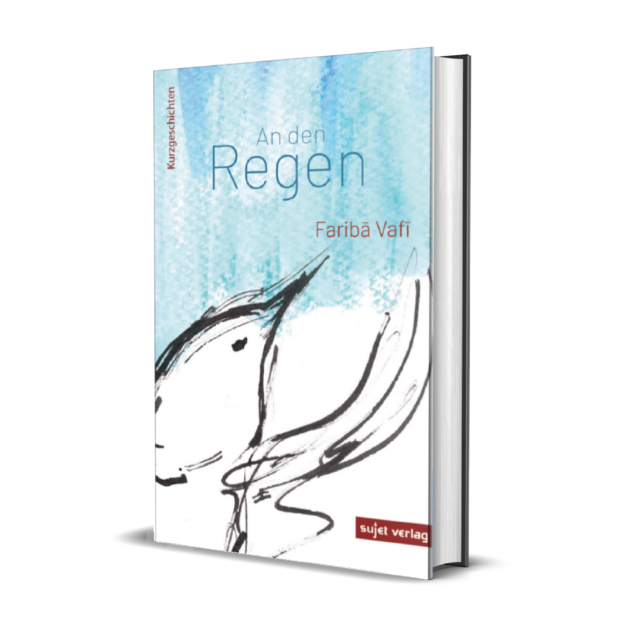
A new review of Fariba Vafi's "To the Rain" by IranJournal
We look forward to a new review Fariba Vafis "In the rain" by Fahimeh Farsaie titled "Bitter Descriptions" published in IranJournal.
Claudia Kramatschek's review of "To the Rain"
In the SWR2 is on 10.02. a contribution in the category 'criticism worth reading' a review of Fariba Vafi's book "An den Regen" has been published. We are happy about such a precise observation, which makes reading the book even more fun.
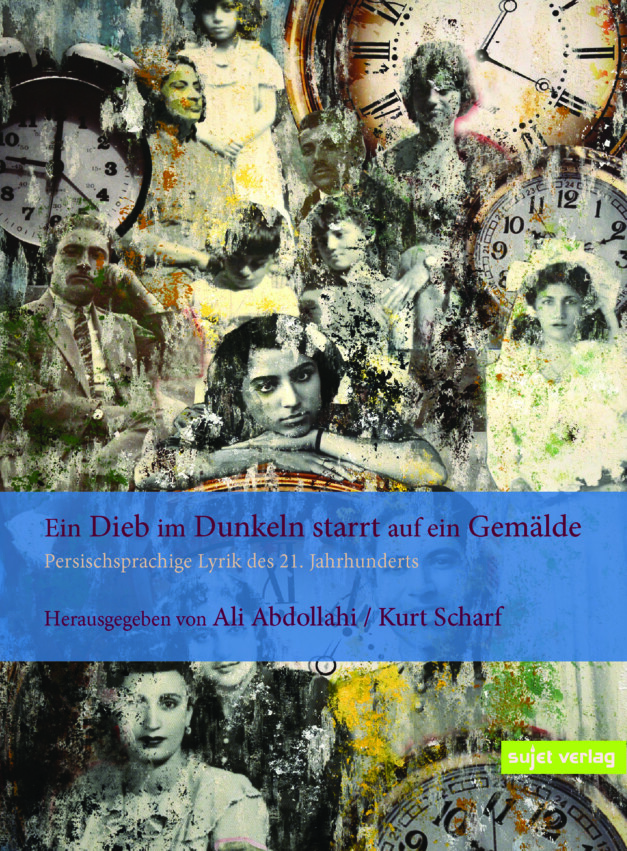
Book launch 'A thief in the dark stares at a painting'
"The many novels, stories and poems that are currently being written in Iran speak of the ongoing need for reflection, for cultural explanation and for paraphrasing of social conditions.”
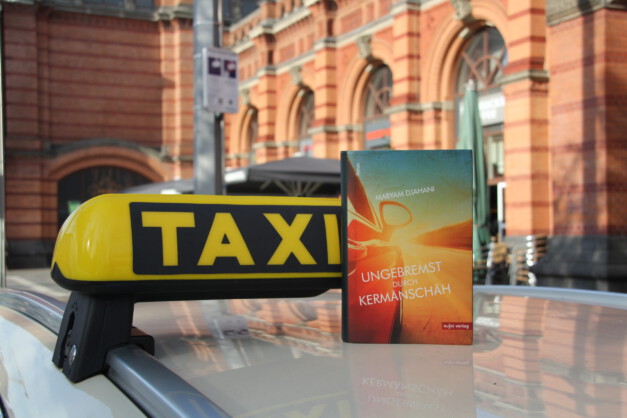
New review of "Unbraked through Kermanshah"

We can only be happy about such great feedback!
Jalal Rostami Goran from the triple award-winning bookstore Goethe & Hafis has for the Bonn General Gazette a few words about the novel of our author Maryam Djahani written:
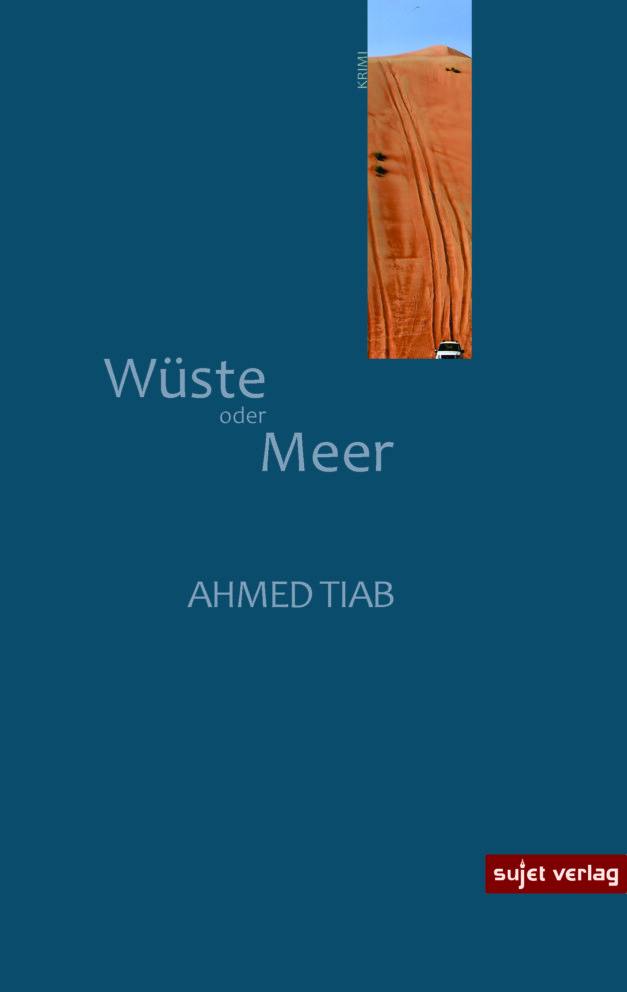
New review of 'Desert or Sea'

A great review of Ahmed Tiab's novel desert or sea!
” […] the novel [is] easy to read, with a lot of situational comedy and successful dialogues. Recommended."
Here is the review from Daniela Neuenfeld-Zvolsky vom EKZ library service:
Maryam Aras Book Review of Fariba Vafi's "To the Rain"
Maryam Aras discussed Fariba Vafi's collection of short stories "An den Regen" for 'Die Presse' and thus created a nice insight into Vafi's storytelling. Over the years we have been able to publish several works by Fariba Vafi, including her masterpiece "Der Traum von Tibet" and have always been enthusiastic about Vafi's stories and Jutta Himmelreich's wonderful translations. Have fun while reading! https://www.diepresse.com/6072724/was-trotz-zensur-erscheint
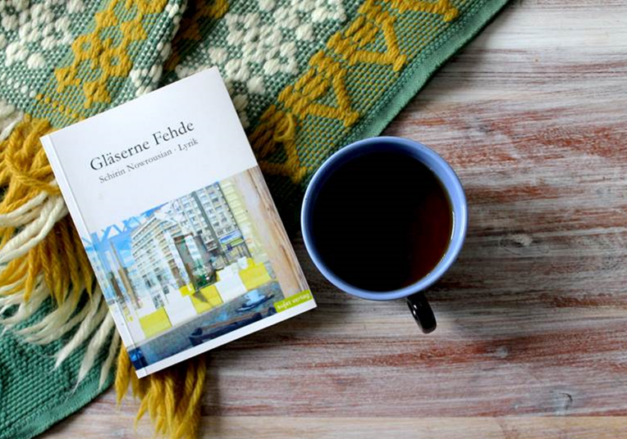
Review by Jörn Hildebrandt on Schirin Nowrousian's "Transparent Feuds"
Jörn Hildebrandt wrote a very nice review on the occasion of the Bremen book premiere of SchirinNowrousian's volume of poetry "Gläserne Fehde".
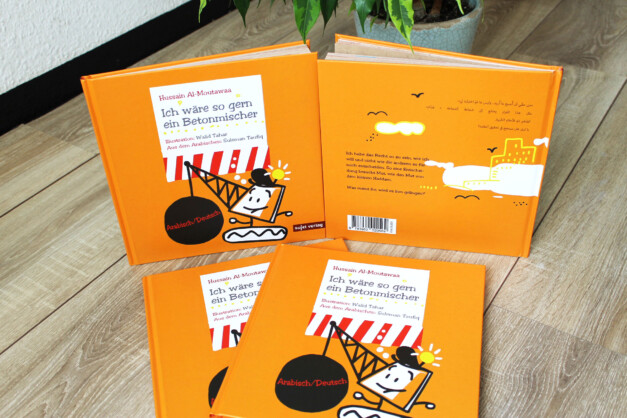
Juliane Domenk has a didactic recommendation for "I would love to have written a cement mixer"
Hussain Al-Moutawaa: I would love to read about a concrete mixer at: https://www.lesen.bayern.de/9783962020569/ Review The small Sujet Verlag was founded by Madjid Mohit, who fled Iran to Germany in the early 1990s, and has developed into a successful model. In 2015, Mohit was awarded the PEN Hermann Kesten Prize. Mohit describes exile literature as “aerial root literature” because the term exile literature is too negative for him. By “aerial root literature” Mohit means cross-border literature that brings the enriching aspects of exile to the fore. However, the author of the children's book "I'd Love to Be a Concrete Mixer" Hussain Al-Moutawaa does not live in exile, but is an award-winning writer and photographer in his home country of Kuwait. His translator Suleman Taufiq, however, came to Germany in 1971 and has published numerous books here. The Egyptian writer and painter Walid Tahar created the funny and appealing illustrations for Al-Moutawaa's story, so the picture book crosses borders. What’s special about it…
Jagiellonian University's Anna Dabrowska has published an exciting scholarly article on Salem Khalfani's The First Days of the World
"Poetics of the Iranian Revolution of 1978-1979 in Salem Khalfani's novel The First Days of the World (2019)” is the title of the article in question, published in the journal “Studia Litteraria”. It can be downloaded here as a PDF file.
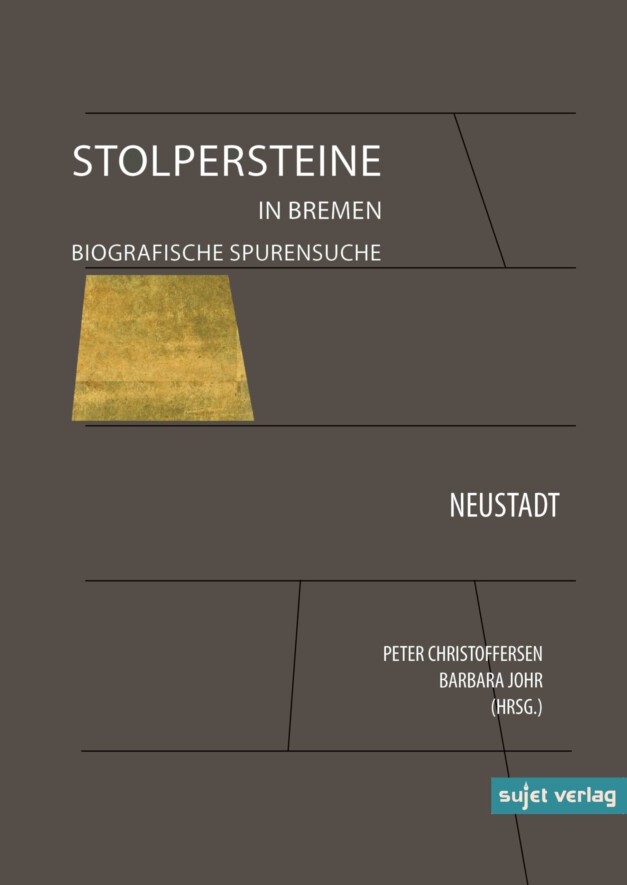
Review by Eike Wienbarg on the new volume of stumbling blocks
The story behind the name Eike Wienbarg October 18, 2020 in the Weser-Kurier In three articles for the new book “Stumbling blocks in Bremen - Biographical search for traces - Neustadt”, the Syker Ilse Zelle dedicates herself to the Polak family, who also lived in Weyhe. Syke/Weyhe/Bremen. The name of the Jewish-Christian Polak family is closely linked to the community of Weyhe. In 1995, a street was named after Carl Polak, and his son Otto is an honorary citizen of the community. The Syker author and former teacher at the Cooperative Comprehensive School (KGS) Brinkum Ilse Zelle wrote a book about the life of Otto Polak in 2010. On the occasion of her project looking for traces of topics from the National Socialist era in the region, she invited Otto Polak to the school together with her students. Now Zelle has dealt with the story of Polak's father Carl, his uncle Siegfried and his grandmother Adele. For the sixth volume of the series “Stolpersteine in Bremen – Biographical Search for Traces”, which is about the stumbling blocks…
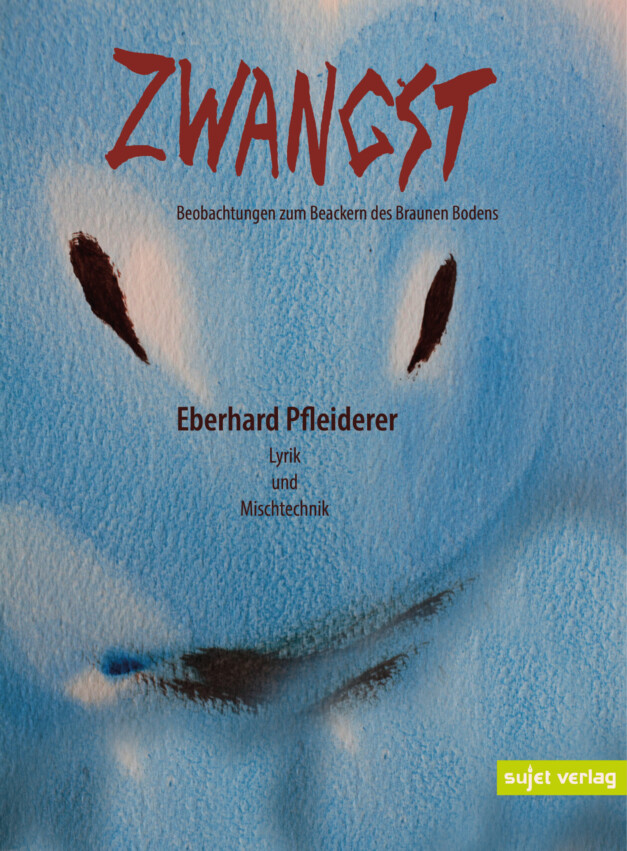
Review by Kerstin Panhorst on Doğan Akhanlı's "Madonna's Last Dream"
Following his reading in Steinhagen, Kerstin Panhorst published on October 13th. a review of Doğan Akhanlı's novel "Madonna's Last Dream". Many thanks to the colleagues for the positive media coverage!
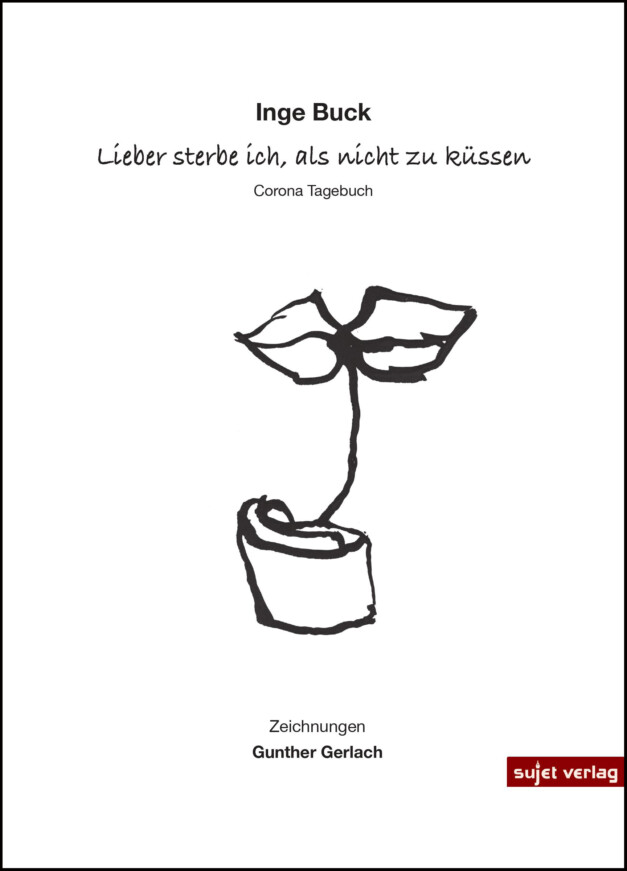
Eva Korhammer's review of Inge Buck's "Corona Diary"
""It is in the most individual that the general becomes visible," Adorno tells us. He would have appreciated and perhaps used Inge Buck's personally crafted armor against an invisible enemy." It is almost expected from authors who are in life, their contribution to the pandemic that determines our present. It is not surprising that Inge Buck has also become more attentive, as she has long been crossing boundaries with her texts and offering approaches to understanding. Corona Diary is the title of Inge Buck's most recent work, and its title, quoted from French, reveals something of her personal attitude: I would rather die than not kiss. Inge Buck may have only come up with the title while she was at work, as she started making diary entries for herself in February, collecting snippets of words, moods, observations about the pandemic that we all heard and saw during this time. When she becomes unsure about...
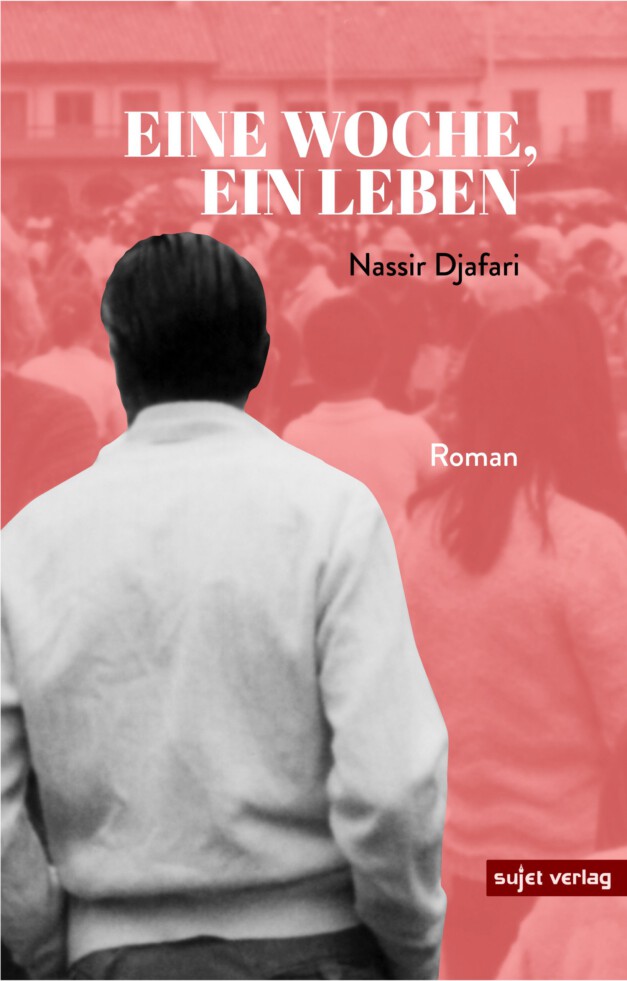
New review and radio commentary - "One week, one life" by Nassir Djafari
We are happy! Yesterday the WDR published an extremely positive review of Djafari's debut novel “One Week, One Life”. Journalist and author Ulrich Noller writes: “If it sounds like “literature with a migration background,” that is largely true, but with Nassir Djafari this factor probably only plays a role in homeopathic doses: He was born in Iran in 1952 and has lived in Germany since 1957. Nassir Djafari is an economist, he has dedicated his professional life to development work, has published in this context and also academically, but not yet literary. His first novel “A Week, a Life” (Sujet Verlag, Euro 24) is a late debut - with an astonishing story. The story is about a middle-aged man, a scientist, a single parent who, as can happen, has almost completely lost contact with his son, who is about to graduate.