Since 1996

For our younger readers

Jawdat Fakhreddin: 30 Poems for Children

  With lively pictures and an appealing use of Arabic meters and rhymes, the poems in this book explore the ...

19,80

Lateefah Boti: Hutlos

  Hatless is an imaginative and inspiring story of a little girl who has to make her way in an environment where…

16,80

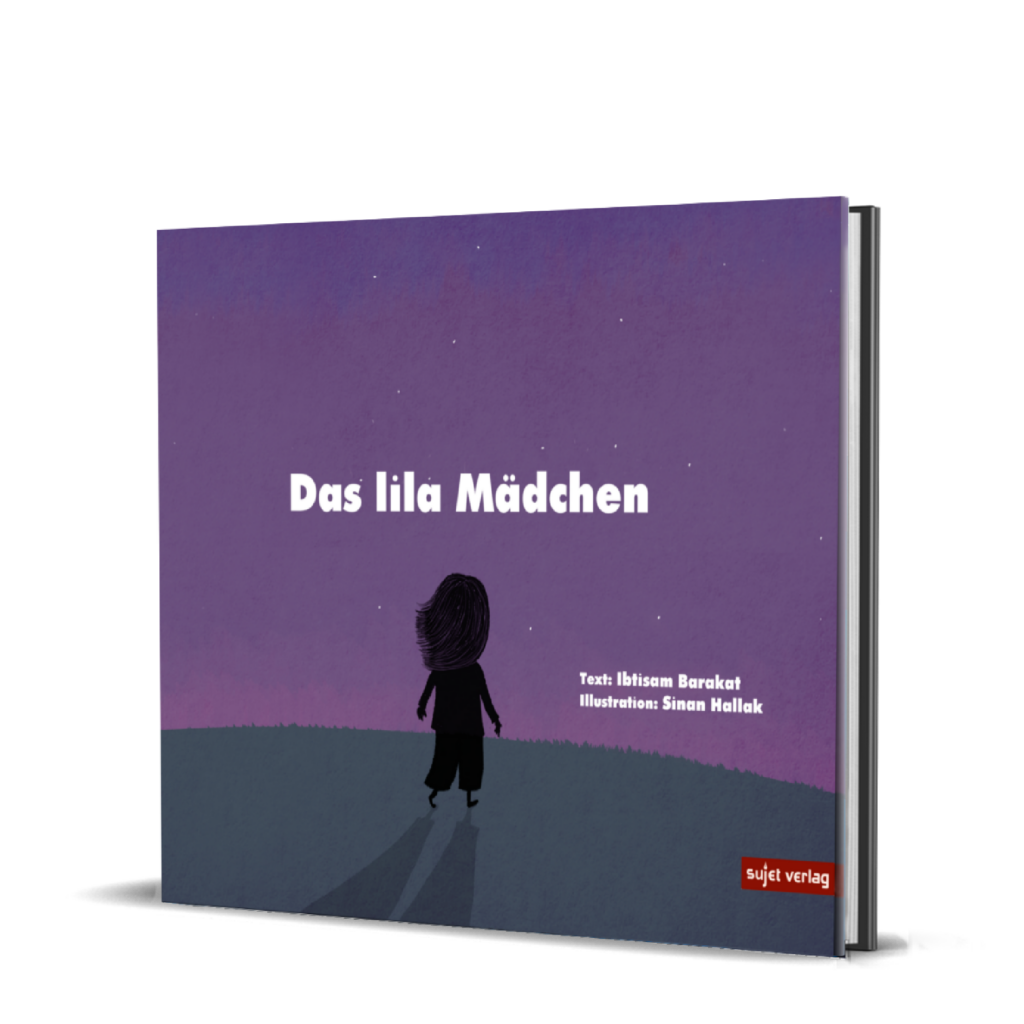
Ibtisam Barakat: The Lilac Girl (Arabic-German)

With The Purple Girl we can announce another winner of the most important literary award in the Arab world, the Sheikh Zayed Book…

17,80

Faribā Wafee

Faribā Vafī: To the Rain

As in her novels, the central themes of the short story collection An den Regen by the LiBeratur prize winner Faribā Vafī are the…

18,0022,50

Faribā Vafī: Tarlān

Tarlān offers an unusual insight into the Islamic Republic. The main focus of the narrative, however, is on the experiences…

16,8019,80

News from us you here

Review of “Love in the Shadow of Dark Flags” by Hassim Youssef

Review of “Love in the Shadow of Dark Flags” (2025) by Martina Häusler for the Borromeo Association The love of a young couple gives hope despite the horror of war. Rodi is in love, his eyes are witnesses. But where is there room for love when danger threatens from all sides? IS fighters from all over the world want to take over the Kurdish city of Kobane, and the city's residents, including many young women, are taking up arms. When Rodi's father falls victim to an attack, the family's world collapses

Continue reading »

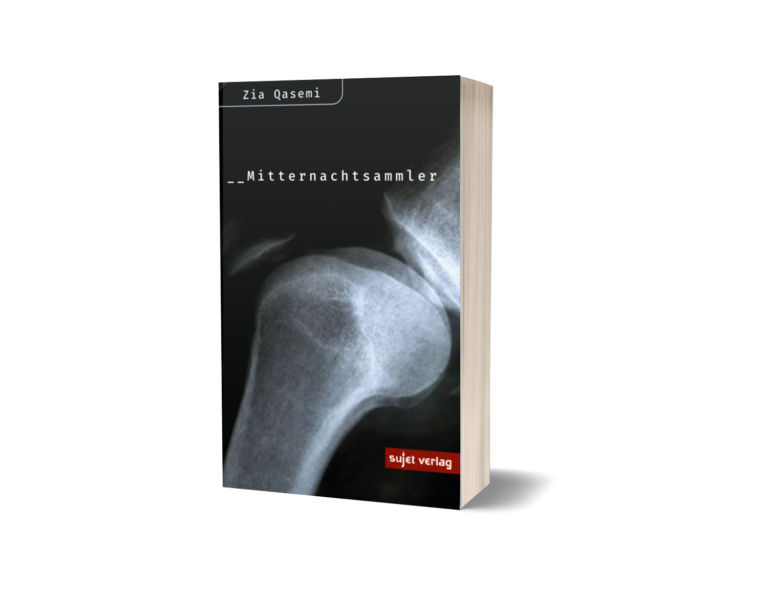
Review of “Midnight Collector” by Zia Qasemi

Review of “Midnight Collector” (2025) by Martina Häusler for the Borromäusverein Authentic picture of life in a small village in Afghanistan through the ages. Musa can only move by crawling due to a deformity in her legs. For the villagers he is therefore an outsider, is ridiculed and, if a misfortune occurs in his presence, is associated with it and avoided. Only the beautiful Muness is friendly to him and praises him for his efficiency and courage, but she drowns in the fairy spring. After

Continue reading »

Heart projects 2026

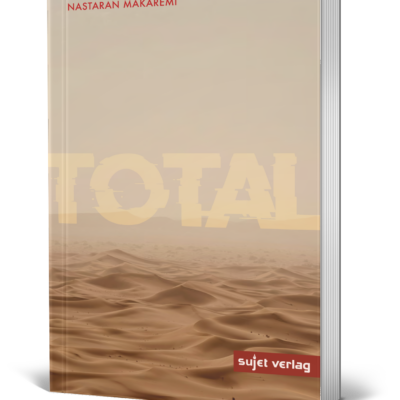
Literature opens up spaces in which different experiences, memories and perspectives enter into dialogue with one another. With the upcoming releases in 2026, we want to make international voices visible and cross cultural boundaries. This year's heart projects combine novels, poetry and literary translations from Persian-speaking countries. They tell of migration and memory, of mysticism and nature, of female voices in literary history and of the power of poetic language. With authors such as Nastaran Makaremi, Fariba Vafi and Sohrab Sepehri as well as the editors and translators Ali Abdollahi

Continue reading »

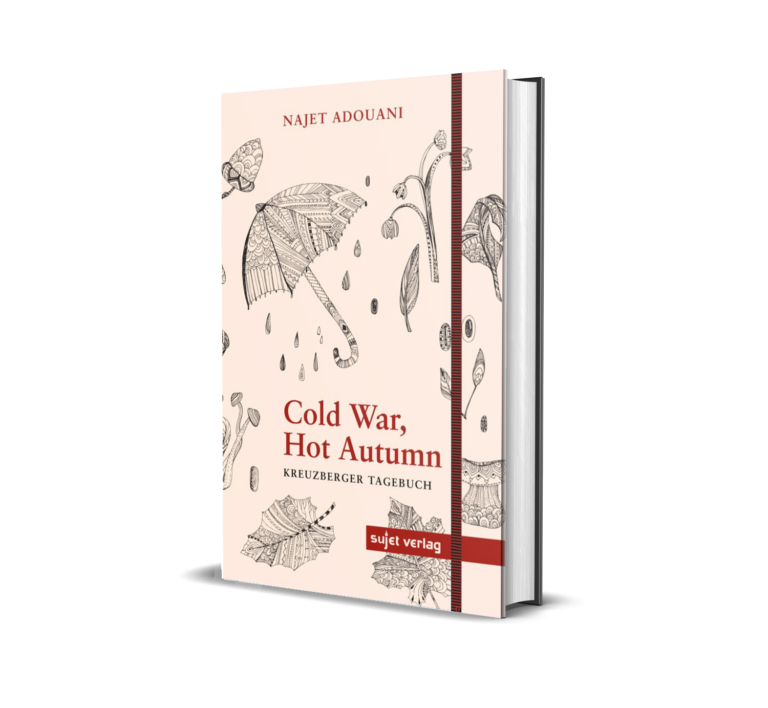
Review of “Cold War, Hot Autumn” by Najet Adouani

Review of “Cold War, Hot Autumn” (2025) by Sabine Schiffner A childhood in Tunisia full of beatings and humiliation. Jail stays because of her speeches and poems, decades of living and writing in exile because of her political work as a feminist and human rights activist and yet raising three sons alone, in a writer's life with a lot of illness and loneliness: Najet Adouani is a Tunisian writer, poet and journalist who has been living in Berlin for almost ten years, where she was a long-time scholarship holder of the German PEN's Writers in Exile program. In hers

Continue reading »

Review of the novel “A Thousand Windows” by Nassir Djafari

Review of “A Thousand Windows” (2026) by Gerrit Wustmann Flight, migration and exile are topics that will continue to concern us as long as despots rule states and do not tolerate any opposition to their power politics. That's why people from Syria fled to Europe, that's why people from Ukraine, which was attacked by Russia, came to Germany, and if we allow right-wing extremists to gain power in this country, people will have to flee Germany. These are topics that concern the writer Nassir Djafari, who was born in Iran in 1952 and came to Germany at the age of five

Continue reading »

Review of the novel “Life in German” by David Scrase

Review Autobiography David Scrase by Wolfgang Menzel Just two days after Wilhelm Lehmann died on November 17, 1968 in Eckernförde, an obituary appeared in the London daily newspaper “The Times”. The author of the obituary, David Scrase, describes how this international recognition came about in his autobiography “Life in German”: A young English German scholar, in his late twenties, a temporary lecturer in German at Oxford and also working on his dissertation on Wilhelm Lehmann, receives a telephone call from friends in Bremen saying they had heard on the radio that Lehmann was

Continue reading »
No more posts to show